The Power of Pool Circulation
Why pool circulation is one of the most important parts of keeping your pool clean and clear!!
When it comes to keeping your pool clean and balanced, we talk a lot about chemicals.
But there’s another piece of the puzzle that doesn’t come in a bottle:
Circulation
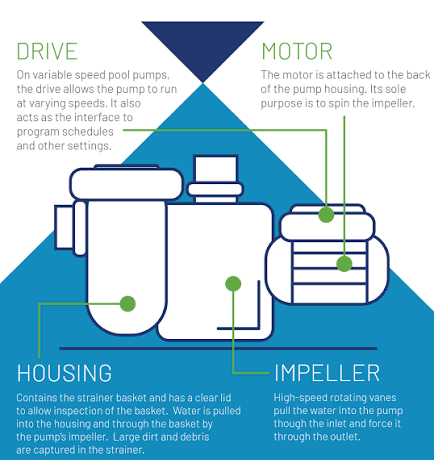
Proper pool circulation starts with keeping your water moving. Your pump, filter, plumbing, and pool size all work together to keep that water circulating, filtering debris, distributing chemicals, and preventing stagnant areas.
Choosing the right pump for your pool, plumbing, and filter is important for proper circulation. A pump that’s too small may not provide enough circulation, while an oversized pump can create problems for your filter and overall system.
The goal is the right amount of circulation for your entire system.
Good POOL circulation helps:
– Move chemicals throughout the pool
– Pull debris toward the skimmer
– Move water through the filter
– Prevent stagnant areas
– Improve surface skimming
– Help distribute pool chemicals more evenly
– Support water features and other equipment
And here’s something important:
Your chemicals can’t do their job properly if they’re not getting where they need to go.
So how do you make sure your pool is getting enough circulation? It starts with your pump!!
Pump Care Must-Knows
Make it a habit to check and clean your pump basket regularly, especially after windy weather, storms, or heavy leaf drop. Leaves, grass, bugs, pine needles, and other debris can quickly build up and restrict water flow in your pump.
While you’re there, take a quick look around the pump and equipment area. Check for debris blocking airflow around the motor, unusual leaks, strange noises, or anything that looks out of place.
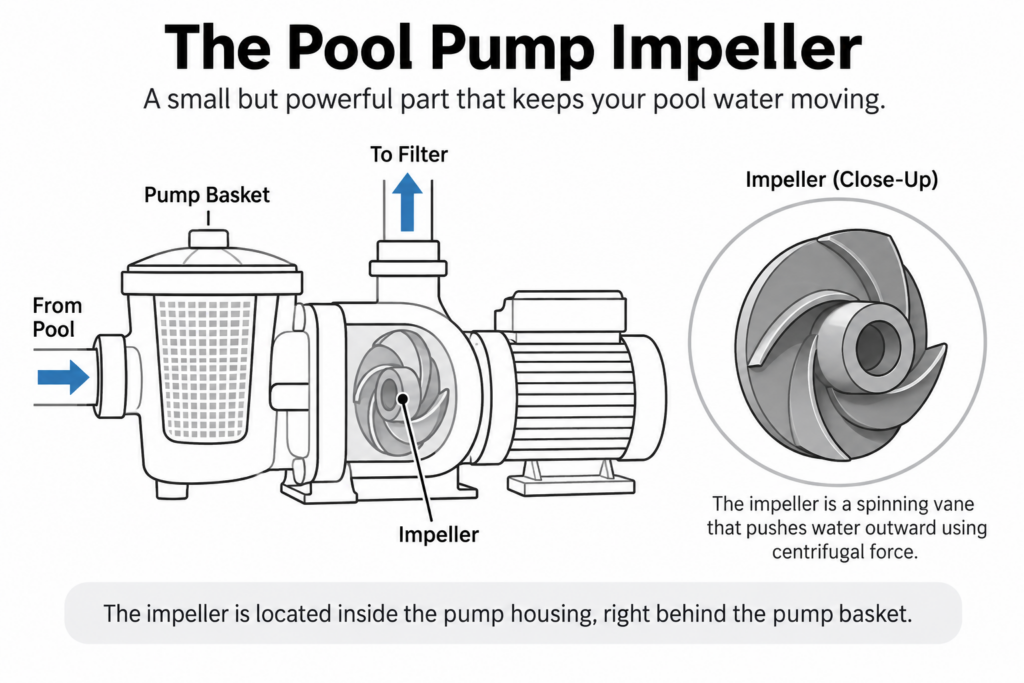
Buildup of debris in the pump basket can lead a buildup of debris in the impeller, eventually choking the pump. The diagram below shows where the impeller is located inside your pool pump and how it helps move water through your circulation system.
And don’t forget the skimmer baskets! A packed skimmer basket can restrict the amount of water reaching your pump and put unnecessary strain on the system.
💡 Pool Pro Tip: If your circulation suddenly seems weaker than normal and all skimmer baskets and pump baskets are clear, check your filter and routinely keep it clean.
Clean baskets + clean filter + proper pump operation = better circulation and happier pool water. 💦
How Long Should Your Pump Run?
During our Texas summers, proper pool circulation becomes even more important as your pool works overtime.
Triple-digit temperatures, intense sunlight, swimming, evaporation, debris, and increased chlorine demand all put more stress on your pool.
If your pump shuts off at night, we recommend starting with approximately 8–10 hours of daytime circulation during the hottest part of the summer.
That’s a starting point—not a magic number-because every pool is different
Pool size, pump size, filter size, plumbing, weather, and how heavily the pool is used can all affect how much circulation your pool needs.
If your pool isn’t staying clean or balanced, your run time may need to be adjusted.
What About Variable-Speed Pumps?
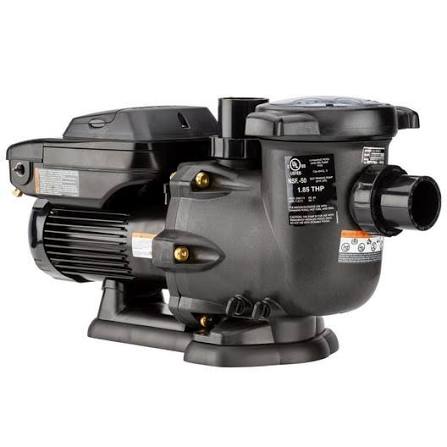
Variable-speed pumps are great because they allow you to adjust the speed and save energy.
On many variable-speed pumps, 75% may actually be programmed as a medium-speed setting. The actual RPM and flow rate depend on the specific pump and how the system is programmed, but here are some common examples from local installers
High Speed 100% – 3400-3450 RPM
Medium Speed 75% – 2600 RPM
Low Speed 50% – 1750 RPM
But run time and pump speed are only part of the circulation equation. Your filter has to keep up too.
Don’t Forget Your Filter
Your pump may be running perfectly, but if your filter is dirty, clogged, improperly sized, or overdue for maintenance, your circulation and filtration can suffer.
Keep an eye on your filter pressure and learn your filter’s normal CLEAN PRESSURE. A noticeable increase (5-8 pounds) can be a sign that it’s time for cleaning or maintenance. Always follow the manufacturers recommendations for your specific filter.
A clean filter and properly functioning pump work together to maintain good pool circulation and filtration.
Ask yourself:
Does my pump run long enough?
Is my pump at an appropriate speed?
When did I last clean my filter?
Is my equipment properly matched to my pool?
Sometimes the problem isn’t what’s going into your pool.
It’s what’s not moving through it.
Good circulation is one of the most important—and most overlooked—parts of maintaining a clean, clear pool.
Don’t forget to take a step back and look at the big picture too. Open your suction side pathways and check for blockages.
If you’re not sure whether your pool’s circulation is doing what it should, stop by La Vernia Pool & Spa. We’d be happy to help you figure out what your pool and equipment actually need.
Don’t Have a Pool Yet?
Looking to build a pool of your own? Visit Custom Pools by Reynolds, our local custom pool-building division serving La Vernia and the surrounding areas.
Your own backyard oasis is just one click away!!