The Green, the Yellow, & the Black: Know Your Pool’s Algae
Not all pool algae is created equal.
Here you will learn how to identify the most common types of pool algae, what causes them, and why treating the right type matters.
Green Pool Algae
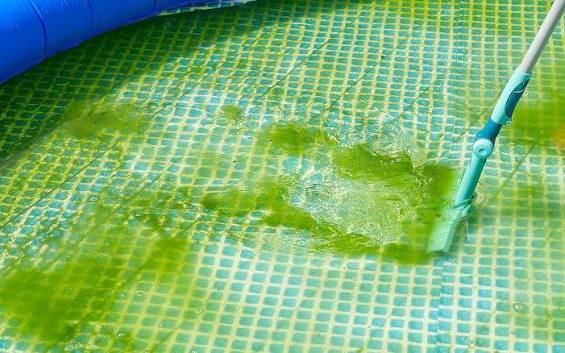
The most common algae; can range from a slight green tint to a full green pool.
Green algae can easily form in a pool with low chlorine levels (sanitizer levels), and low circulation.
For more information on sanitization levels please read Triple-Digit Heat: Don’t Have Chlorine Tablet PTSD | La Vernia Pool & Spa
Keeping your sanitizer level adequate, your filter clean, and basket clear of debris will easily keep Green algae at bay.
*A common pool algae treatment for Green algae is a Poly 60
Mustard (Yellow) Pool Algae
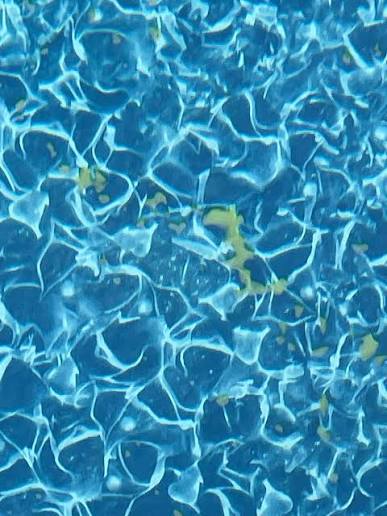
Yellowish/tan mustard algae, often clings to walls and shady areas and can be mistaken for dirt or pollen. It is my nemesis here at La Vernia Pool and Spa. Where does it come from? Some say the wind…some say the water resource. Others say trees, others say contaminated swimsuits or pool toys. I have concluded no one really knows.
The best way to tell between green algae and yellow is your water test. With active algae and chlorine is at zero, does it go away after you balance? If no, then it may be yellow mustard algae.
Are you brushing every 2-3 days?
Are you staying in balance and still getting it?
Sometimes it acts like a stain and seems hard to brush off?
If you said yes to anyone of these questions, then you may be fighting mustard/yellow algae instead regular green algae. This is when a copper-based algaecide may become part of the treatment plan.
*The most efficient algae treatment for Mustard algae is Copper Algaecide such as PoolRX, copper ionizers, Swimtrine, Algaetrine, or Regal Super Green
Black Pool Algae
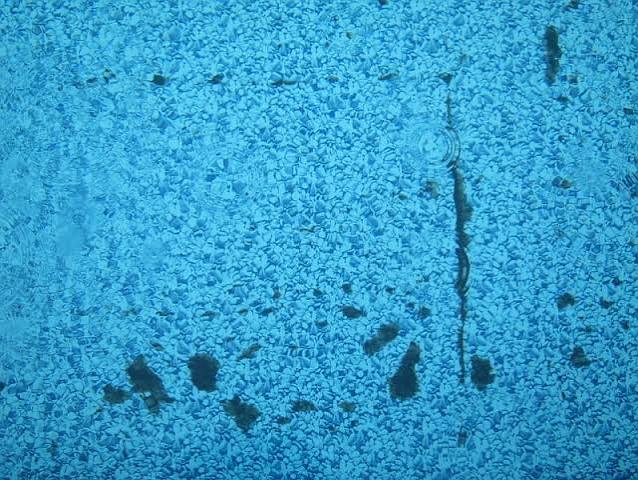
The dreaded Black pool algae are actually cyanobacteria rather than true algae.
It is not safe to swim in, and you can become ill with repeated exposure. It forms dark spots with a tough protective shell and tends to establish itself in cracks and rough surfaces such as plaster pools, quartz finishes, and porous places where it can hide.
Black pool algae can come in through contaminated swimwear/toys or simply allowing a pool to go an extended period of time without sanitizer.
The tough shell is the reason brushing it can be a real battle and only spreads the problem if the black algae is live. Brush when ready to treat.
The big thing to note about black algae is that once it is in your pool it can return. Maintaining constant chlorine levels and water balance will keep it from reoccurring too often, but you may see it return once or twice a year. If recurrences are more frequent, changing out the media of your filter (sand, glass, DE grids, or cartridges) would be the next step.
*The most efficient algaecide for black algae is a product called Granular 90. See Leslie at our store for an in-depth procedure to knockout black algae and the Do’s and Don’ts.
In conclusion, we may stand at the counter and ask you “a million questions” because we are diagnosing the Problem, not just treating the symptoms. We may stand at the counter and tell you to “bring us a water test” because we are looking for certain signs and symptoms.